Helpful Tips to Electronics Recycling Services
Green Initiatives: How E-Waste Recycling Services Are Protecting Our Planet
Electronic waste presents serious dangers to the environment, as discarded electronics often contain toxic materials. These hazardous substances can contaminate soil and water, causing extensive damage to surrounding ecosystems. E-waste recycling services present a viable solution. They serve the dual purpose of reclaiming precious materials and reducing contamination. Understanding how these services operate and their impact on communities is essential. The journey towards effective e-waste management raises critical questions about individual responsibility and collective action. What steps can be taken next?
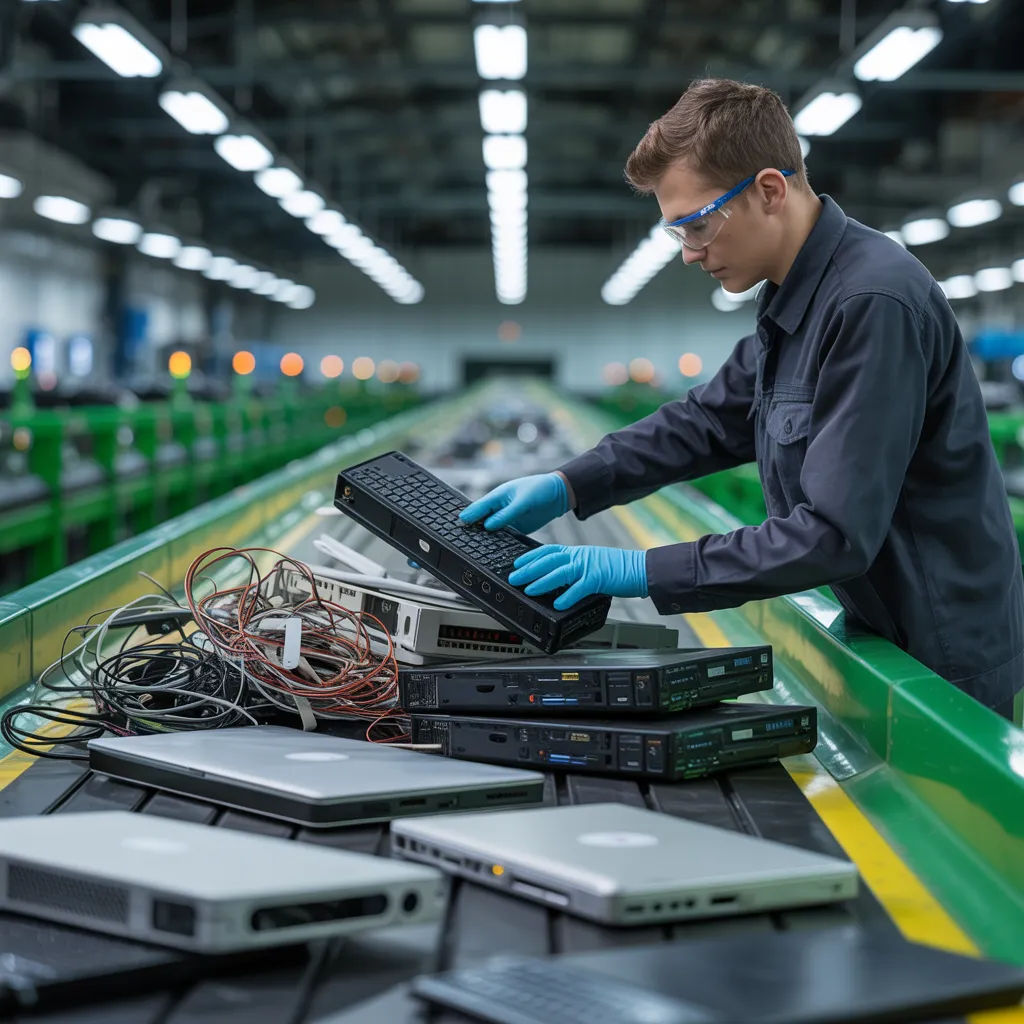
Why E-Waste Poses a Threat to the Planet
While technological advancements improve modern life, e-waste poses serious threats to the environment. Abandoned electronic gadgets, often containing toxic substances including lead, mercury, and cadmium, may release harmful substances into the surrounding soil and water supply, posing risks to ecosystems and human health. The accelerating rate of technological innovation contributes to higher rates of electronics disposal among consumers, intensifying the growing problem of discarded electronic materials.
Landfills, already strained by waste, are unable to keep up with the rising quantities of abandoned electronics. Incineration, another disposal method, releases harmful pollutants into the atmosphere, contributing to air quality degradation. Moreover, poor recycling procedures can cause e-waste to be sent to developing regions, where employees may disassemble electronics without sufficient safety precautions, leaving them vulnerable to harmful substances. This cycle of neglect and improper handling underscores the urgent need for sustainable recycling solutions that can mitigate the adverse effects of e-waste on the planet.
What Is E-Waste and Why Is It Important?
E-waste, also referred to as electronic waste, comprises obsolete electronic products such as computers, smartphones, and televisions that have reached the end of their useful life. This growing category of waste is significant owing to its accelerating volume, propelled by advances in technology and evolving consumer behaviors. As growing numbers of electronics become outdated, the toll on the environment grows more severe, with dangerous elements including lead, mercury, and cadmium threatening both ecosystems and public health.
The importance of addressing e-waste lies not only in mitigating these hazards but also in recognizing the valuable materials it contains. Precious metals and rare earth elements can be recovered and reused, reducing the need for mining and conserving natural resources. With a thorough understanding of e-waste and its impact, people and organizations alike can make educated decisions about disposal and recycling, helping to build a more sustainable world. Proper management of e-waste is essential for fostering a circular economy and promoting environmental stewardship.
How the E-Waste Recycling Process Works
Recycling e-waste involves an organized procedure designed to recover valuable materials while minimizing environmental impact. To begin, electronic waste is gathered and delivered to See it here dedicated processing centers. Upon arrival, the devices undergo thorough sorting to isolate dangerous parts from recoverable materials.
Next, workers break down the electronics, removing metals, plastics, and glass. This process is vital, as it makes possible the reclamation of high-value metals like gold, silver, and copper, which are repurposed in new electronics.
Following this, the divided materials are processed with cutting-edge techniques, such as mechanical shredding and chemical processing, to cleanse them for further use.
Ultimately, the remaining hazardous waste is handled with responsibility, complying with environmental regulations. This comprehensive process not only conserves resources but also minimizes the hazards connected to irresponsible electronic waste disposal, ensuring a more sustainable future for the consumption of electronics.
Benefits of E-Waste Recycling for You and Your Community
While many individuals may not realize it, the benefits of e-waste recycling go far beyond individual benefit and actively shape entire communities. By responsibly disposing of electronic waste, individuals play a role in creating a cleaner environment, reducing harmful substances that can leach into soil and water. This proactive approach helps preserve local ecosystems and supports public health.
In addition, the recycling of e-waste encourages workforce growth within communities. Local recycling facilities often require personnel for a range of functions, spanning collection through processing, consequently creating meaningful employment within the community. This not only enhances the community economy but also promotes community participation in sustainable initiatives.
Moreover, familiarity with e-waste recycling is capable of inspiring community outreach programs, encouraging residents to pursue greener alternatives. By engaging with e-waste recycling programs, individuals foster a culture of sustainability, encouraging others to join the movement. Overall, the shared impact of these actions can result in a more sustainable and conscientious community.
How to Select an E-Waste Recycling Service
Choosing the right e-waste recycling service is crucial for guaranteeing that electronic waste is handled responsibly and sustainably. To begin, individuals should confirm the service's certifications, such as e-Stewards or R2, which indicate conformance to industry standards for safe recycling practices. It's also important to evaluate the organization's reputation by checking reviews and obtaining recommendations from trusted sources.
Next, clarity in the recycling process is essential. A dependable company should supply straightforward details about the way e-waste is handled and what happens to the materials. Furthermore, considering the scope of services provided can prove valuable; some companies may provide pickup services or offer incentives for recycling.
Ultimately, familiarizing yourself with area-specific requirements for e-waste disposal can further guide the selection process. Through focusing on these key aspects, consumers can play a role in effective e-waste management while supporting environmentally responsible practices.
How You Can Get Involved in E-Waste Recycling?
Engaging in e-waste recycling often starts at the local level, where community recycling hubs regularly supply essential services for safe disposal. Furthermore, participating in community awareness campaigns can enhance efforts to inform others regarding the importance of responsible e-waste management. These initiatives not only encourage sustainable practices but also build a collective sense of responsibility toward the environment.
Area Recycling Stations
Many neighborhood recycling stations perform an important function in electronic waste recycling, giving communities practical solutions to manage electronic waste appropriately. These facilities handle a selection of electronic devices, including old computers, smartphones, and televisions, verifying that toxic materials are disposed of safely. Most centers are equipped with knowledgeable personnel who can guide individuals on proper disposal methods, emphasizing the importance of recycling over landfilling. Furthermore, various hubs coordinate organized drop-off opportunities or appointed collection periods, making participation convenient for residents. Through the use of these community services, individuals contribute to a circular economy, minimizing ecological impact and fostering sustainable behaviors. Connecting with these stations encourages communities to fight e-waste pollution decisively.
Community Outreach Campaigns
Local organizations, schools, and businesses can collaborate to host events that promote e-waste collection drives. Volunteers can play a pivotal role in promoting knowledge, handing out educational content, and interacting with the surrounding community. Through these collective efforts, community members grow more knowledgeable and inspired to dispose of their electronics responsibly, thereby helping to build a greener and more sustainable tomorrow.
Answers to Your Most Common Questions
What Electronic Devices Are Eligible for Recycling?
A wide range of electronics may be recycled, including smartphones, computers, laptops, televisions, printers, and gaming consoles. Additionally, peripherals such as keyboards, mice, and batteries are well-suited for recycling, contributing to sustainable environmental practices.
Are There Any Costs Associated With E-Waste Recycling?
That's correct, e-waste recycling can include charges, subject to the service provider. Certain providers apply costs for collection or processing, while other facilities offer free services, typically funded by the resale of recovered materials.
How Can Businesses Benefit From E-Waste Recycling?
Businesses can benefit from e-waste recycling by reducing disposal costs, improving their green reputation, meeting compliance standards, extracting valuable resources, and creating potential earnings via resale, ultimately contributing to a more sustainable operational strategy.
What Becomes of Data on Recycled Devices?
Data from repurposed electronics is commonly completely removed or destroyed during the refurbishment process. This ensures sensitive information remains secure, blocking unwanted intrusion while permitting resources to be repurposed securely and sustainably within new applications.
Is It Possible to Recycle Damaged Electronics?
Absolutely, non-functioning electronics can be recycled. Many recycling centers accept defective devices, guaranteeing proper disposal and retrieval of precious materials. This effort helps decrease harm to the environment while promoting sustainable recycling habits to control e-waste efficiently.